Paperwork stops safety work.
On US construction sites, safety documents are not compliance overhead — they are the gate that lets work start. doAZ opens the founding batch of a safety document engine that pins every control measure to an OSHA 29 CFR 1926 clause, sentence by sentence.
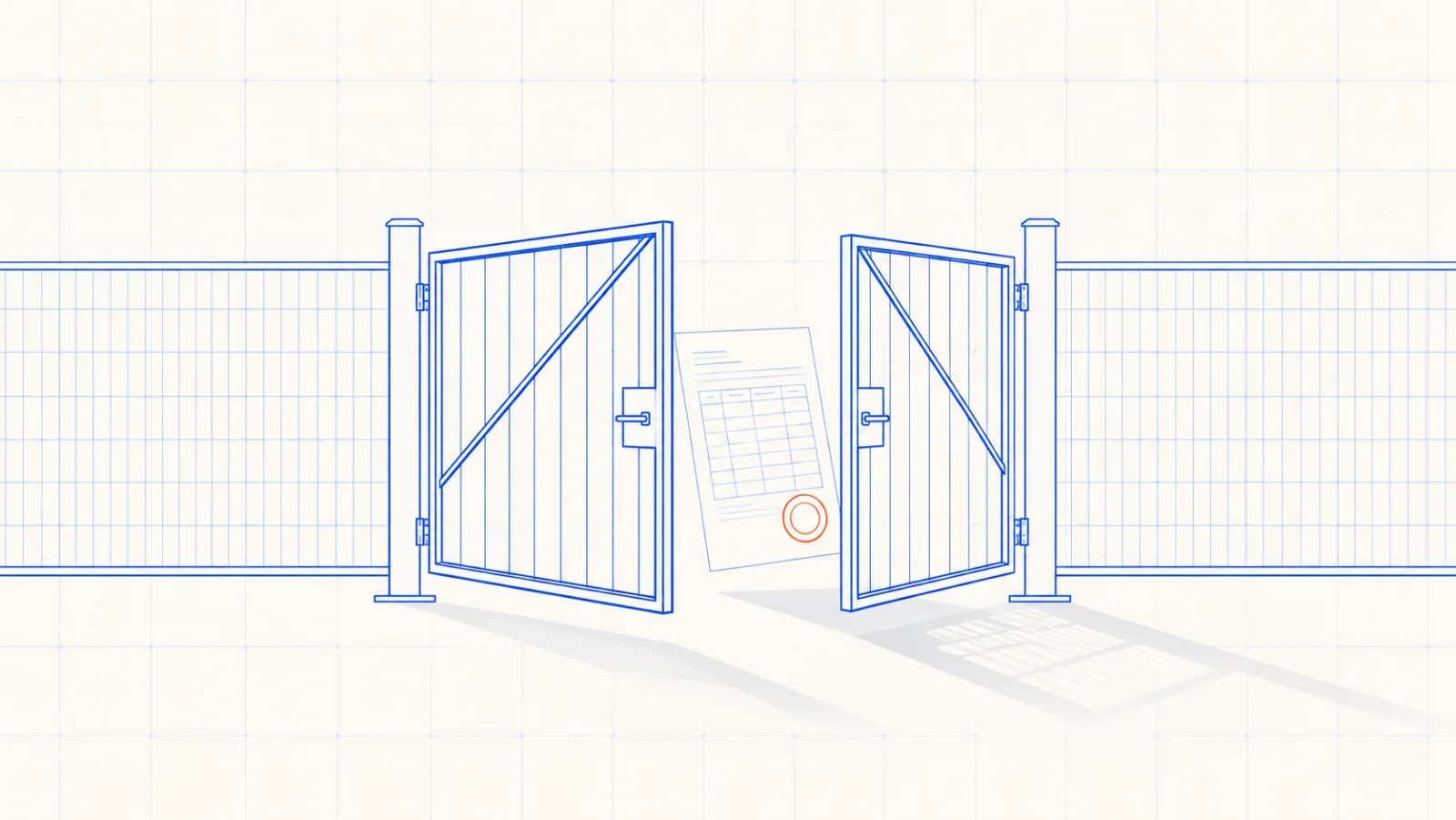
Thursday, 4 p.m., at the office of a roofing subcontractor in Texas. An email from the general contractor (GC) lands. "Submit your Site-Specific Safety Plan and JHA by 3 p.m. Friday. No crew starts Monday until they are approved." That night the owner opens last year's project documents and changes the project name. Then he prays — that this time it will not be rejected.
This scene is not the exception. Of roughly 620,000 registered construction firms in the United States, specialty subcontractors make up the largest share, and hundreds of thousands of them live this every week. Today doAZ is opening the founding batch of the product we built to change it: SAFFY GatePass.
Safety documents are not 'paperwork'
The rule on American construction sites is simple. No crew enters the site until the documents are approved. General contractors require subcontractors to produce a site-specific safety plan (SSSP) and a job hazard analysis (JHA), and some require the JHA to be refreshed weekly. On federally funded work, the format must also match the U.S. Army Corps of Engineers' EM 385-1-1.
Fail to submit and the schedule slips; submit the wrong thing and it costs more. As of 2026, OSHA penalties reach up to $16,550 per serious violation and up to $165,514 per willful or repeat violation. When items accumulate in a single inspection, the bill runs to six figures. Conversely, an employer with a documented safety program can reduce penalties by up to 25% through a good-faith adjustment.
Terms, in one line. An SSSP (Site-Specific Safety Plan) is a safety plan matched to the conditions of a particular site; a JHA (Job Hazard Analysis) breaks work into steps and sets out the hazards and control measures for each. What Korea handles as a risk assessment operates in the United States as a condition for authorization to start work.
In short, safety documentation in the United States is not a regulatory cost but a gate to revenue — and, literally, an asset denominated in money. Yet there were only two ways to produce those documents. Outsourcing to a consultant, which takes days and costs hundreds of dollars per document, or the owner's late night.
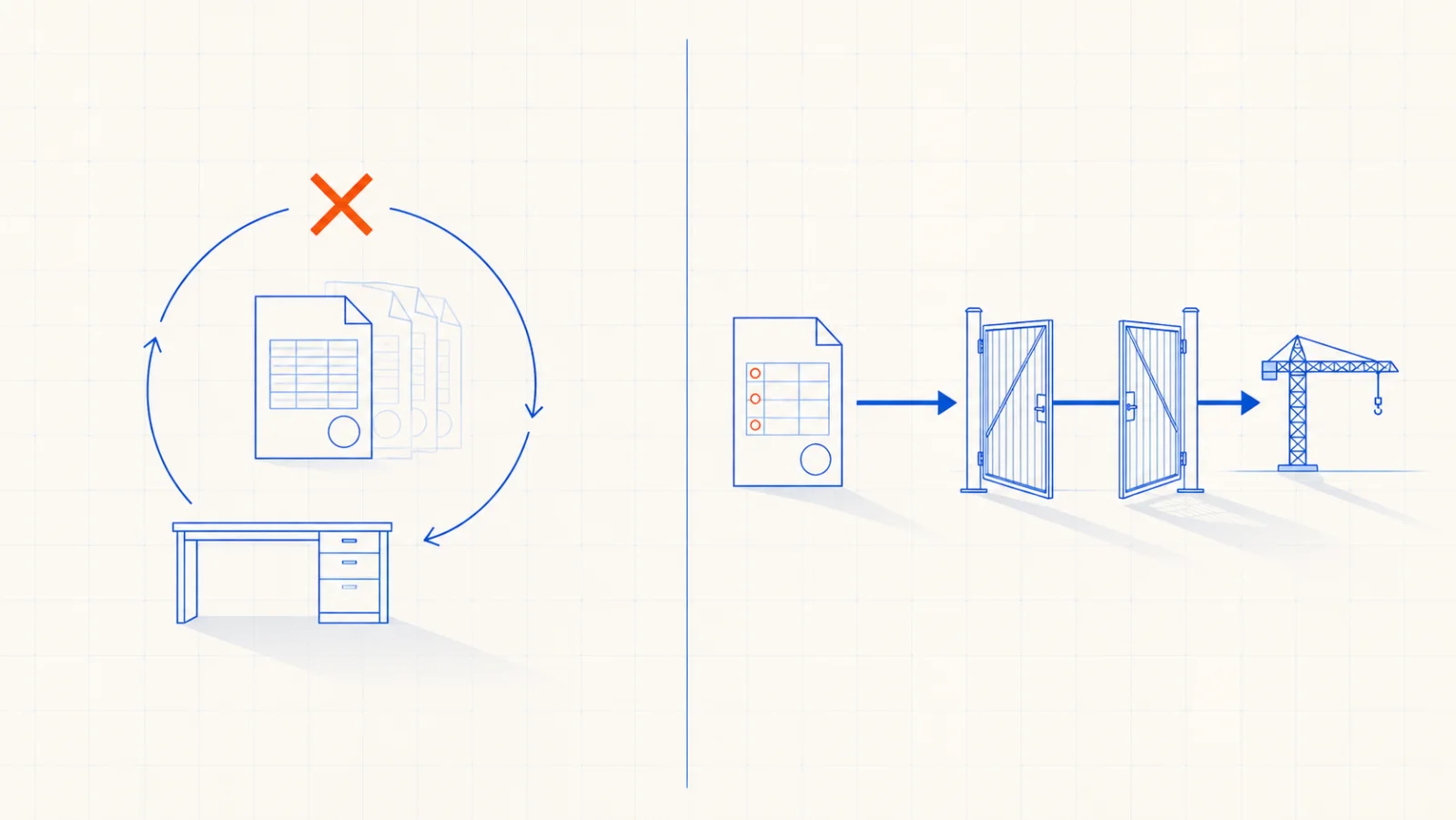
The problem is not speed, it is trust
"Couldn't you just write that with ChatGPT?" — the question we have heard most over the past few months. Our answer is this. General-purpose generative AI writes plausible safety plans, and plausible is precisely the problem. An invented control measure looks fine until an inspector opens the source text, or until plaintiff's counsel reads the document after an incident. In safety documentation, a silent error is not an option. It is grounds for litigation.
For the past three years, doAZ has validated engineering AI on major Korean contractor and heavy industry sites under a single principle. Zero Silent Error — never be wrong quietly. GatePass is the export edition of that principle.
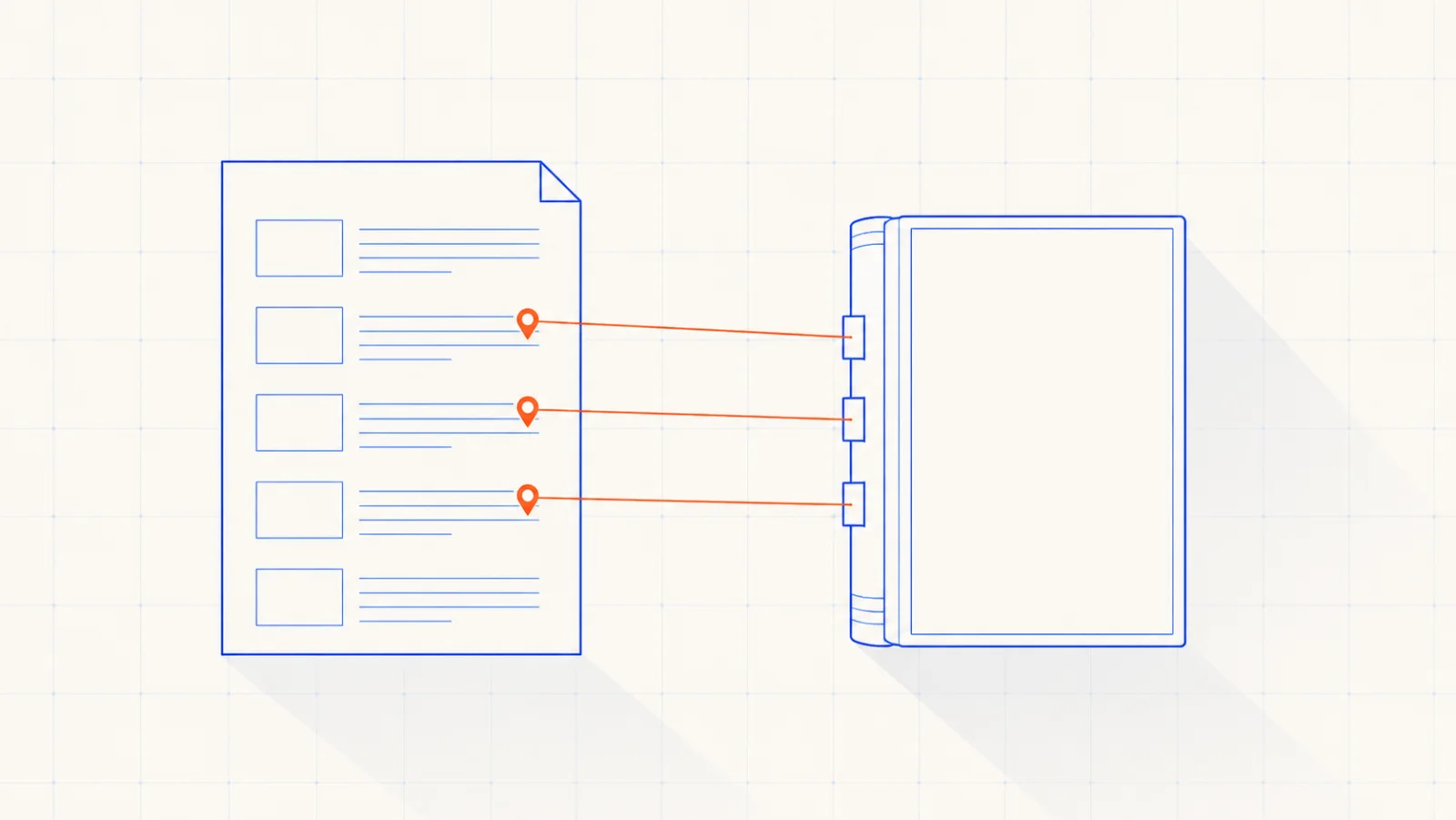
- Every control measure is pinned to the clause it rests on. For example: "ladder side rails shall extend at least 3 feet above the upper landing" → 29 CFR 1926.1053(b)(1)
- Click the citation and the regulatory text opens. That is why verification takes minutes rather than an evening.
- Where no source can be found, we do not fill the space with a plausible sentence. A gap is marked as a gap.
How the ten minutes work — and why the human signs
- Describe the work (about 2 minutes). Trade, task steps, site conditions, and the GC's submittal requirements if you have them. Dropdowns and plain sentences are enough.
- GatePass writes the draft — with citations. Hazards by activity, control measures written in the language of a submittal, and a clause number attached to each sentence.
- You verify, sign and submit. Edits are unrestricted, and a Competent Person signature step is built into the product ahead of download. The outputs are PDF and DOCX in the format general contractors expect.
AI does not sign. GatePass is a tool for drafting and for looking up sources; the author and approver of every document is always the person who knows the site. We believe this is not merely a way to satisfy regulators, but the way safety documentation ought to work.
Why the United States, and why now
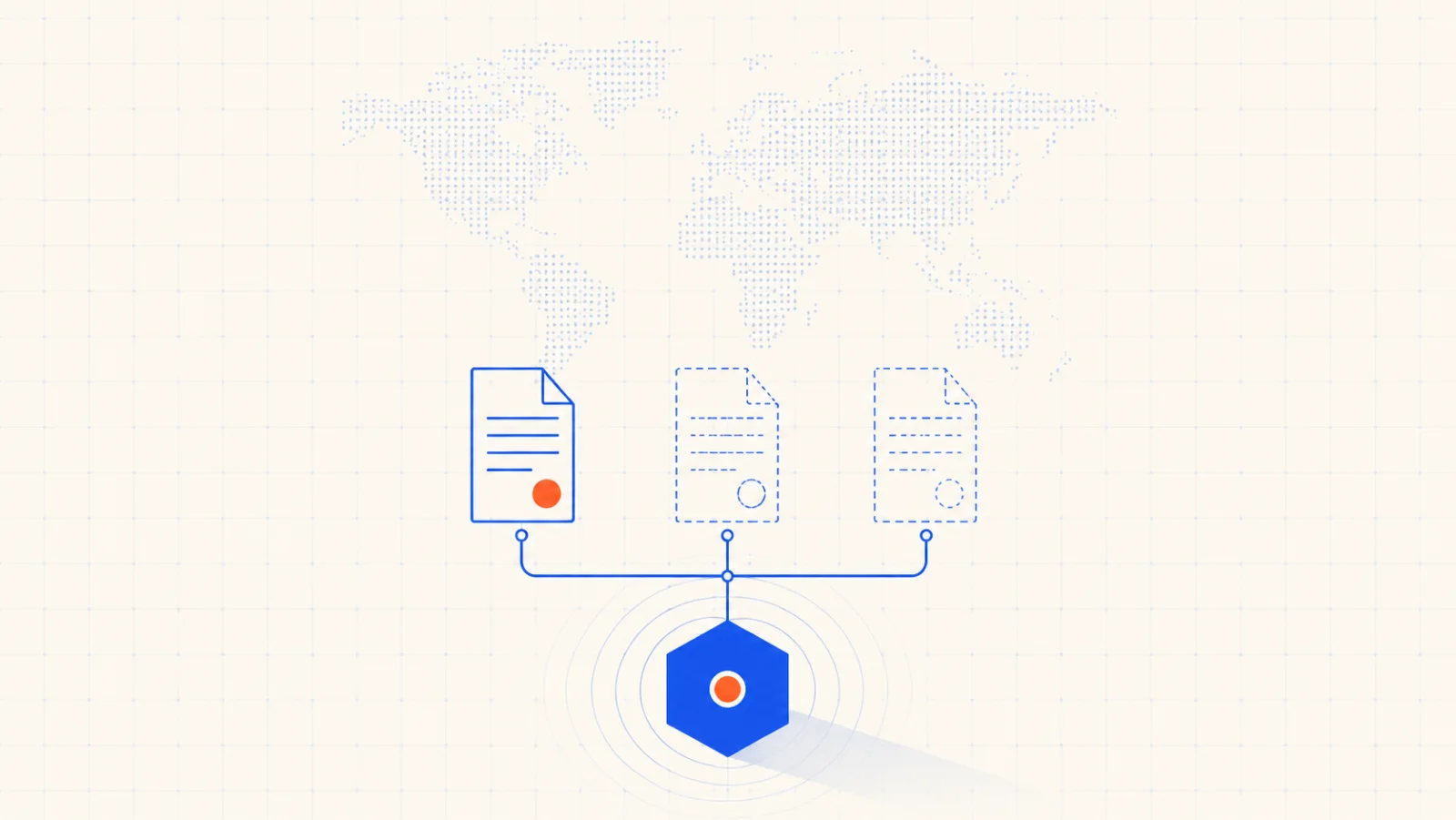
doAZ began with safety document automation on top of Korea's occupational safety and health framework, refining a single core along the way: verifiable engineering AI. We are now connecting a second jurisdiction to that core. Rules differ from country to country, but the structure — the document is the gate — is universal: SSSP and JHA in the United States, RAMS in the United Kingdom, SWMS in Australia.
One Core, Multi-Jurisdiction. The United States is the first overseas jurisdiction, and it is also the market where our founder, a licensed US Professional Engineer (PE), spent 16 years on EPC sites across 19 countries. We wrote these documents ourselves, in site offices at 5 a.m. That is why this software exists.
We run a verification demo on one real set of your drawings.
Request a verification demo